Alocasia Dawn: All You Need to Know About This Stunning Houseplant
Are you looking for an exotic and striking houseplant that will add a touch of drama to your living space? Look no further than Alocasia Dawn. With its large leaves, unique shape, and stunning coloration, Alocasia Dawn is the perfect choice for anyone looking to add a bit of tropical flair to their home.
What is Alocasia Dawn?
Alocasia Dawn is a variety of Alocasia plant known for its large, heart-shaped leaves with prominent veins and striking coloration. The plant gets its name from the unique coloring of its new leaves, which are a pale pink or peach color before gradually darkening to a rich green as they mature. Alocasia Dawn is native to Southeast Asia, where it grows in tropical rainforests.
How to Care for Alocasia Dawn
Alocasia Dawn can be somewhat finicky and requires specific care to thrive. Here are some tips for keeping your plant healthy:
Lighting
Alocasia Dawn prefers bright, indirect light. Avoid placing it in direct sunlight, as this can scorch the leaves. If your plant isn't getting enough light, the leaves may become smaller and paler in color.
Watering
Alocasia Dawn likes to have consistently moist soil, but it's important not to overwater it. Overwatering can lead to root rot and other issues. Allow the top inch of soil to dry out between waterings, and be sure to use well-draining soil.
Humidity
Alocasia Dawn thrives in humid environments. Consider using a humidifier or placing a tray of water near the plant to increase humidity levels. You can also mist the leaves with water occasionally to help keep them hydrated.
Temperature
Alocasia Dawn prefers warm temperatures between 65°F and 85°F. Avoid exposing the plant to temperatures below 60°F, as this can cause damage to the leaves.
Fertilizing
Alocasia Dawn benefits from regular fertilization during the growing season (spring and summer). Use a balanced liquid fertilizer every two weeks to promote healthy growth.
Repotting
Alocasia Dawn should be repotted every year or two in fresh soil. When repotting, be sure to choose a pot that is only slightly larger than the current one.
Common Issues with Alocasia Dawn
Like any houseplant, Alocasia Dawn can experience problems if not properly cared for. Here are some common issues you may encounter:
Yellowing Leaves
Yellowing leaves can be a sign of overwatering, underwatering, or exposure to cold temperatures. Check the soil moisture level and adjust your watering accordingly. If the plant has been exposed to cold temperatures, move it to a warmer location.
Brown Tips on Leaves
Brown tips on leaves can be caused by low humidity levels, overfertilization, or exposure to direct sunlight. Increase humidity levels, reduce fertilization, and move the plant to a location with indirect light.
Pest Infestations
Alocasia Dawn can be susceptible to pests such as spider mites and mealybugs. Keep an eye out for signs of infestation, such as webbing or cottony masses on the leaves, and treat promptly with appropriate insecticides.
Propagating Alocasia Dawn
Alocasia Dawn can be propagated through division or stem cuttings. To propagate through division, carefully remove the plant from its pot and separate the roots into smaller sections. Replant each section in its own pot with fresh soil. To propagate through stem cuttings, take a cutting from the plant's stem and place it in water until roots form. Then, replant the cutting in fresh soil.
Decorating with Alocasia Dawn
Alocasia Dawn is a stunning plant that can add a touch of drama to any room. Try pairing it with other tropical plants such as philodendrons or ferns, or use it as a statement piece on its own. The plant's unique coloring also makes it a great choice for adding visual interest to neutral spaces.
Alocasia Dawn is a striking and unique houseplant that requires specific care to thrive. By following these tips, you can keep your plant healthy and beautiful for years to come.
FAQs
1. Is Alocasia Dawn toxic to pets?
Yes, Alocasia Dawn is toxic to pets if ingested. Keep the plant out of reach of pets and children.
2. How often should I fertilize my Alocasia Dawn plant?
During the growing season (spring and summer), fertilize your Alocasia Dawn plant every two weeks with a balanced liquid fertilizer.
3. Can Alocasia Dawn be grown outdoors?
Alocasia Dawn is a tropical plant and does best in warm, humid environments. It can be grown outdoors in warm climates but may need to be brought indoors during colder months.
4. Why are the leaves on my Alocasia Dawn plant turning brown?
Brown tips on leaves can be caused by low humidity levels, overfertilization, or exposure to direct sunlight. Increase humidity levels, reduce fertilization, and move the plant to a location with indirect light.
5. What is the best soil for Alocasia Dawn?
Alocasia Dawn prefers well-draining soil with plenty of organic matter. Use a mix of peat moss, perlite, and sand for best results.
6. How big does Alocasia Dawn grow?
Alocasia Dawn can grow up to 3 feet tall and 2 feet wide when mature.
7. How often should I water my Alocasia Dawn plant?
Alocasia Dawn likes to have consistently moist soil, but it's important not to overwater it. Allow the top inch of soil to dry out between waterings.
8. Can Alocasia Dawn be grown in low light conditions?
Alocasia Dawn prefers bright, indirect light. It can survive in lower light conditions, but the leaves may become smaller and paler in color.
9. How do I propagate Alocasia Dawn?
Alocasia Dawn can be propagated through division or stem cuttings. To propagate through division, carefully remove the plant from its pot and separate the roots into smaller sections. Replant each section in its own pot with fresh soil. To propagate through stem cuttings, take a cutting from the plant's stem and place it in water until roots form. Then, replant the cutting in fresh soil.
10. Why are the leaves on my Alocasia Dawn plant turning yellow?
Yellowing leaves can be a sign of overwatering, underwatering, or exposure to cold temperatures. Check the soil moisture level and adjust your watering accordingly. If the plant has been exposed to cold temperatures, move it to a warmer location.
13 Alocasia dawn Images

Some Alocasia Love Before Going Off To Work Plantselfie

Alocasia Reginula Jardins Pequenos Belos Jardins Suculentas Penduradas

Alocasia Varieties Diagram Etsy In 2021 Alocasia Plant Plants

Alocasia Odosa Yendem Plant Leaves Plants Vegetables

Alocasia Quilted Dreams Sinuata Jewel Alocasia Please Read The Full

17 Best Images About Colocasia And Alocasia On Pinterest Sun Shock
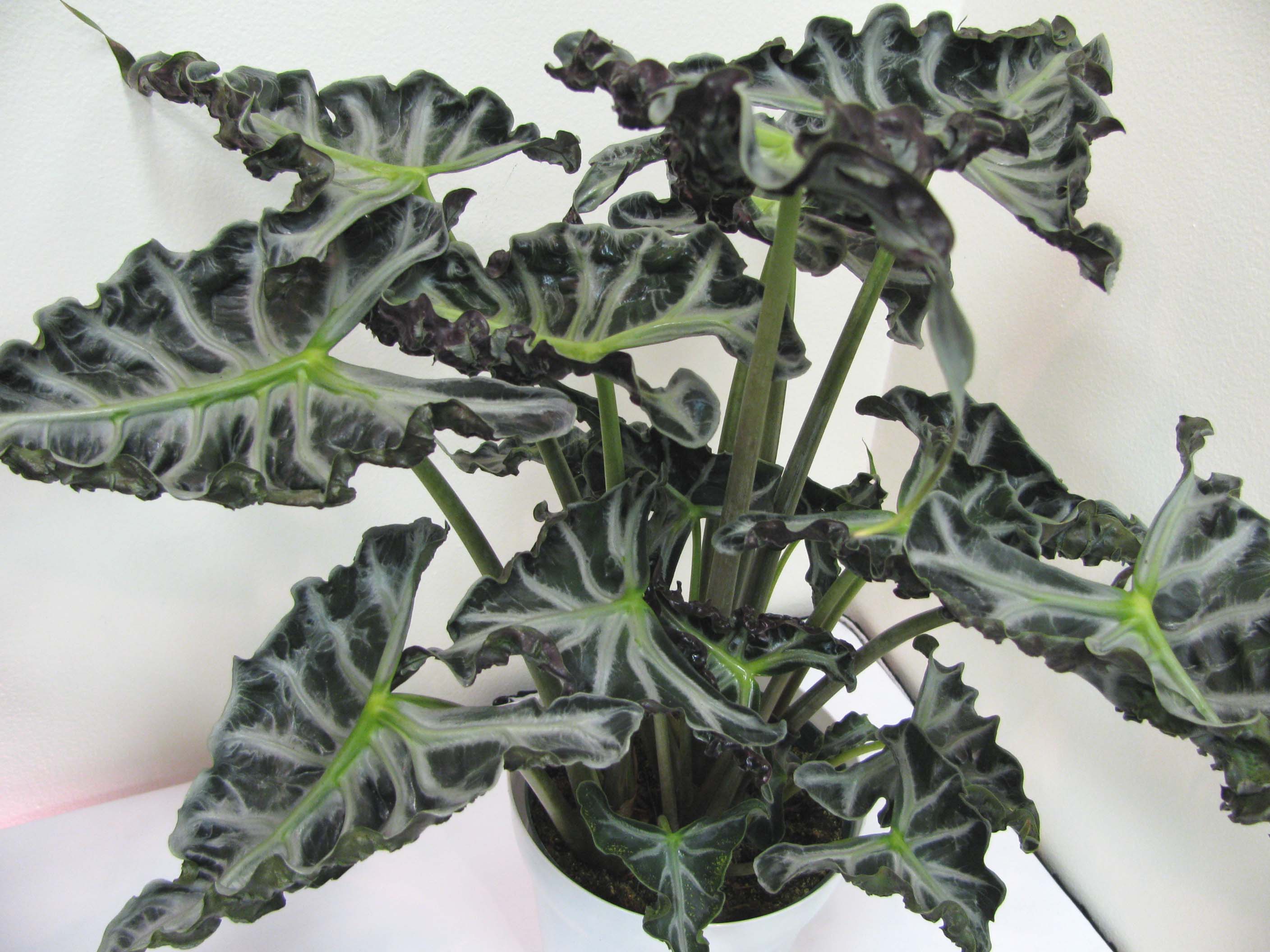
Alocasia Loco Tanaman Hias Daun Bunga Eksotis Tanaman

Alocasia Silver Dragon Plants Foliage Plants Alocasia Plant

Alocasia Macrorrhiza Variegata Plants Indoor Plants Plant Catalogs

Set Of Tropical Alocasia Leaves Isolated On White Alocasia Plant

Pin On Nurseries To Visit

8 Alocasia Frydek Care Ideas Planting Flowers Plants Alocasia Plant

View Our High Quality Products Alocasia Anthurium Dischidia Hoya
Post a Comment for "Alocasia Dawn: All You Need to Know About This Stunning Houseplant"